WEIHERBURG
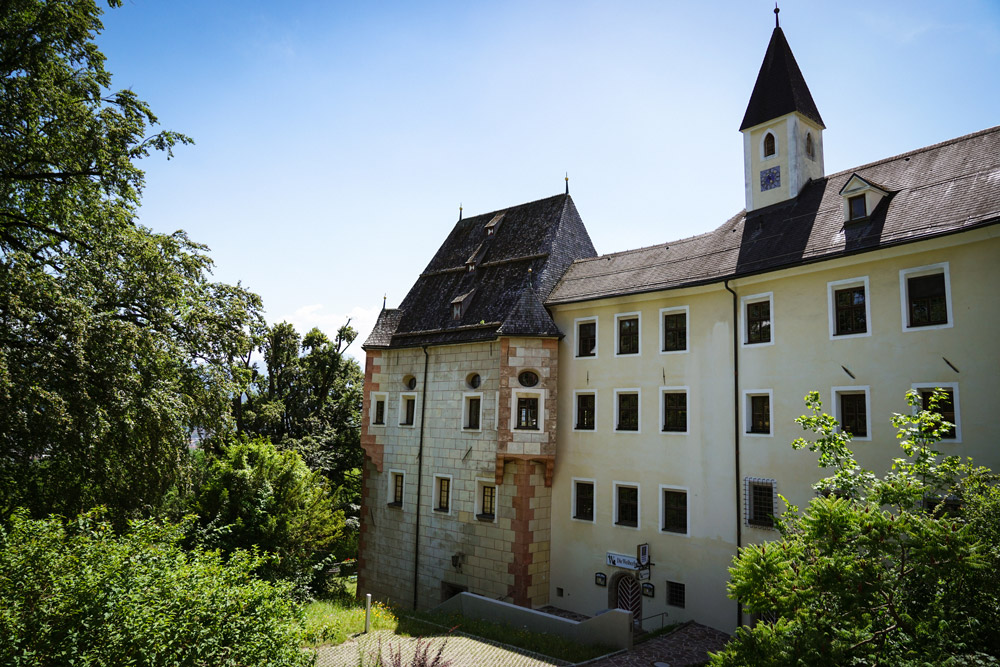
Every visitor to the Alpenzoo will see a magnificent castle right next to the entrance to the zoo. The name of this castle is "Weiherburg" and it houses the offices of the Alpenzoo. Even the founder of the Alpine Zoo, Prof Hans Psenner, had a small office in the Weiherburg. But the castle never belonged to the Alpine Zoo. The history of Weiherburg Castle dates back to the 15th century and its foundation is linked to the name of the Tänzel family. The Weiherburg was conceived as a late Gothic residence near the fish pond that gave the castle its name. This fish pond existed until the 20th century. Archduke Ferdinand II later created an animal park around the estate. This zoo was located on the site of today's Alpenzoo. In 1911, the city of Innsbruck took over the Weiherburg. The estate was carefully restored from 1976-78.
In the past, the castle was often used for events. Unfortunately, this has rarely been the case in recent years. That is why the Alpine Zoo had an idea: the Weiherburg should be awakened from its slumber. The Alpine Zoo developed a three-part concept for this. The use of the Weiherburg was to consist of the offices of the Alpenzoo, a reopened restaurant with an event centre and an exhibition floor as a highlight. In this way, the Weiherburg was to be made accessible to Tyroleans again, but also be shown to tourists in Tyrol. Thankfully, this idea met with the approval of the City of Innsbruck and the Provincial Memorial Foundation of Tyrol also provided financial support for the necessary renovation and the resulting exhibition.
But how can a zoo also provide curative care for a museum? This is where a co-operation with the Tyrolean State Museums came in. The Tyrolean State Museums were founded in 1823 with the purpose of promoting and sustainably developing art, culture, science and research in Tyrol and have an impressive collection of around 3 million exhibits from the natural history collection alone. Unfortunately, these exhibits have only ever been on display temporarily and so the Provincial Museums and the Alpine Zoo wanted to seize the opportunity to change this. It was important to both partners that there should not be a permanent exhibition, but that the ambitious goal should be annually changing exhibitions.
The museum in the Weiherburg has been open since 2021 and fascinates its visitors anew every day.
Die Weiherburg
Das Restaurant im & am Alpenzoo
Das Restaurant Weiherburg lädt ab sofort zum Genießen in einzigartiger Atmosphäre ein. Serviert wird klassische Tiroler Hausmannskost – herzlich, regional und frisch zubereitet.
Das Restaurant steht sowohl Alpenzoo-Besucherinnen und -Besuchern als auch Gästen ohne Zoobesuch offen. Bitte beachten Sie: Wer den Zoo während des Besuchs im Restaurant verlässt, benötigt für den Wiedereintritt ein gültiges Eintrittsticket.
Die historischen Räumlichkeiten der Weiherburg können außerdem für Seminare, Firmenfeiern und private Veranstaltungen gemietet werden.
Kontakt und Reservierungen:
E-Mail: info@animahl.at
Telefon: 0660 5587309
EXTREM
Anpassungsstarke Natur.
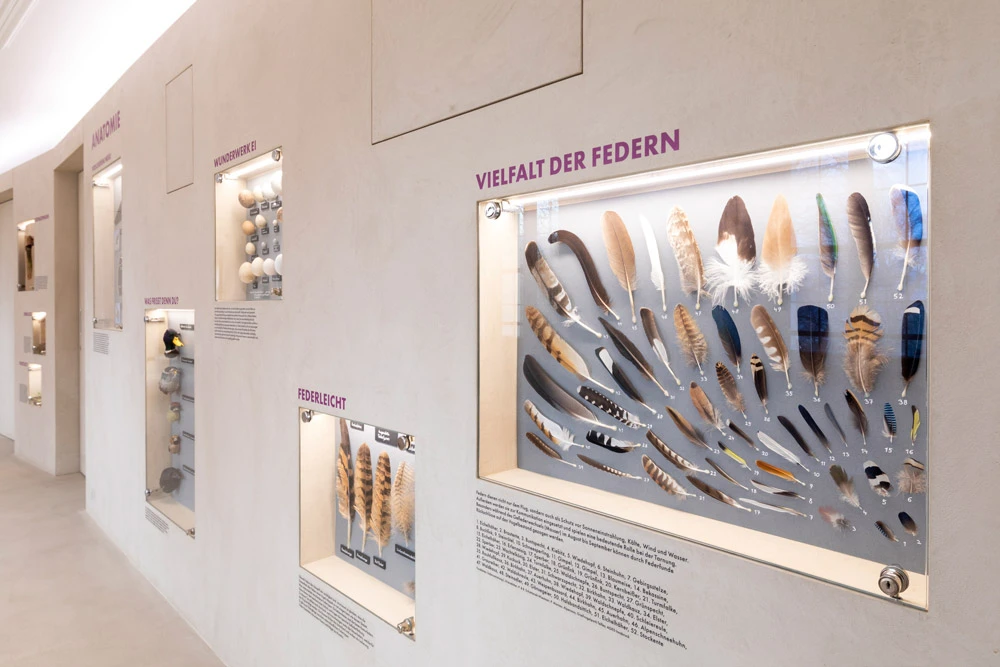
Viele Tiere und Pflanzen besiedeln Lebensräume, in denen es deutlich wärmer, kälter, feuchter oder trockener ist, als für uns Menschen erträglich. Diese Ausstellung erzählt von Lebewesen, die sich an extreme Lebensräume angepasst haben, etwa der Urzeitkrebs Triops, dessen Eier auch nach Austrocknung eines Gewässers noch viele Jahre überleben können. Der nordamerikanische Waldfrosch hingegen gefriert im Winter fast vollständig im Wasser und überlebt so die kalten Monate. Ein weiterer Schwerpunkt wird auf Moore gelegt, die einzigartige Lebensräume für seltene Arten sind und als CO2-Speicher maßgeblich zum Klimaschutz beitragen.
Weiherburg Rent
In the Weiherburg it is possible to hire a room for various occasions:
Maximiliansaal | cinema seating max. 80 people | seminar seating max. 60 people
Weiherburgsaal | cinema seating max. 60 people | seminar seating max. 40 people
Catering only via ANIMAHL by arrangement with the tenant (Tel: 0690/10418572). Or delivery of catering (only possible without use of the kitchen).